

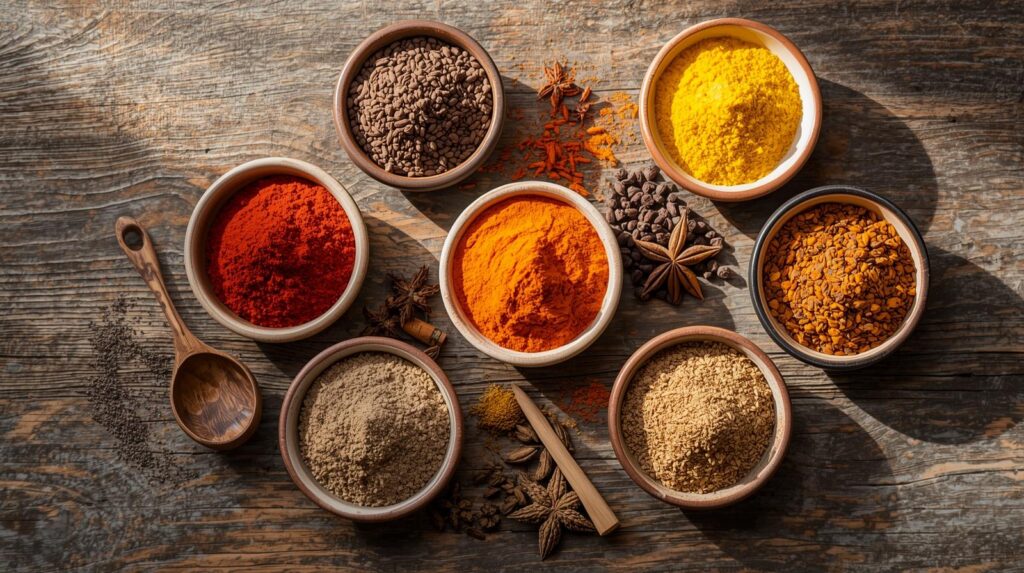
Spices have shaped global cuisines, trade routes, and cultures for centuries. While they are best known for enhancing flavor, spices offer far more than taste alone. From natural antioxidants to digestive benefits, spices like mace, coriander, and parsley play an important role in both nutrition and global commerce.
As consumers increasingly seek natural ingredients and healthier food choices, spices are gaining renewed importance in kitchens and international markets alike.
The Nutritional Power of Spices
Spices are concentrated sources of bioactive compounds that support overall wellness. Many are rich in antioxidants, essential oils, vitamins, and minerals that contribute to improved digestion, immunity, and metabolic health.
Unlike artificial additives, spices provide natural flavor enhancement while supporting clean-label and health-conscious food trends.

Spotlight on Key Spices
Mace
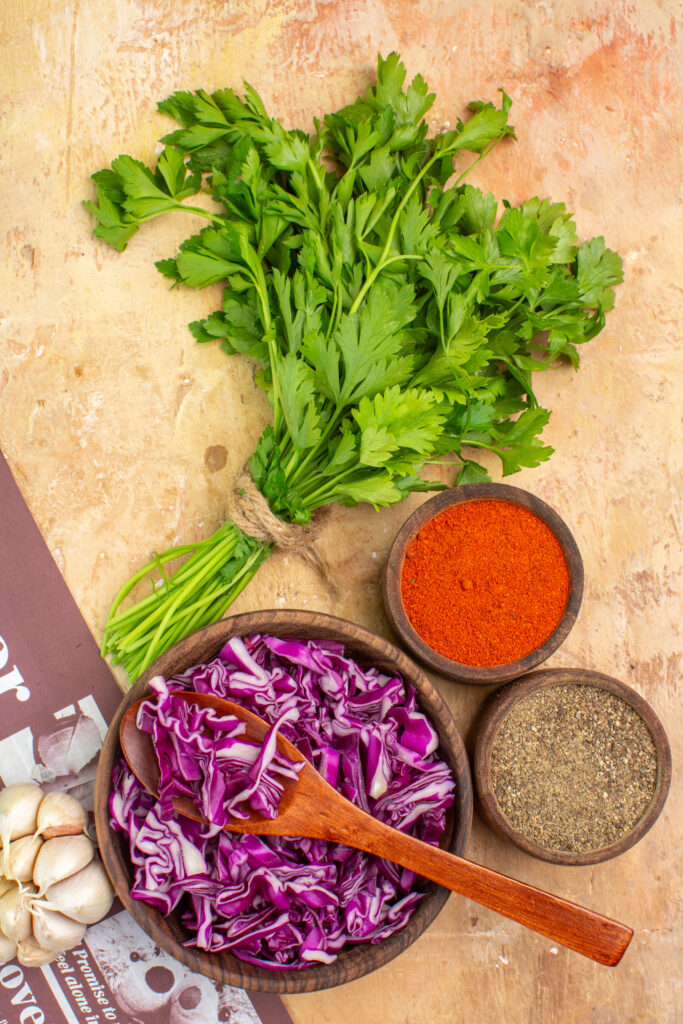
Derived from the outer covering of nutmeg, mace is valued for its warm aroma and subtle sweetness. It contains antioxidants and essential oils that support digestion and add depth to both savory and sweet dishes.
Coriander
Coriander seeds and leaves are widely used across global cuisines. Known for their digestive and anti-inflammatory properties, coriander also adds versatility to spice blends, sauces, and seasonings.
Parsley
Often underestimated, parsley is rich in vitamins A, C, and K. Its fresh flavor and nutritional value make it a popular ingredient in culinary applications, garnishes, and health-focused recipes.
Spices in Global Cuisine
From traditional recipes to modern fusion dishes, spices form the backbone of global gastronomy. They help preserve food naturally, enhance aroma, and create distinct regional identities.
As food cultures continue to blend across borders, the demand for high-quality spices with consistent flavor and purity continues to rise.

Rising Global Demand for Spices
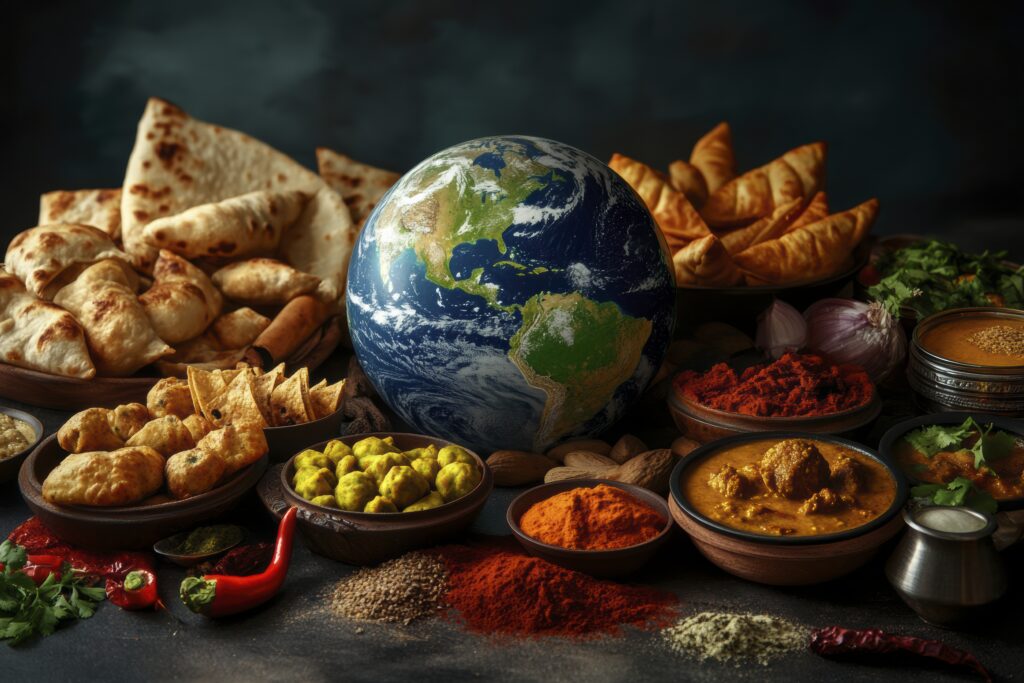
The global spice market is expanding due to:
Increased interest in ethnic and international cuisines
Growing awareness of health and wellness
Demand for natural ingredients in processed foods
Spices are no longer limited to household kitchens, they are widely used in food processing, hospitality, wellness products, and nutraceutical applications.
Business & Sustainability Perspective
Sourcing quality spices requires careful attention to cultivation, processing, and storage. Sustainable farming practices and responsible sourcing ensure consistent quality while supporting environmental and economic stability.
Businesses that prioritize quality, traceability, and sustainability are better positioned to meet global demand and build long-term partnerships.

Spices are far more than flavor enhancers, they are nutritional powerhouses and key contributors to global trade. As health awareness and culinary exploration continue to grow, spices like mace, coriander, and parsley will remain essential ingredients in both food and commerce.