

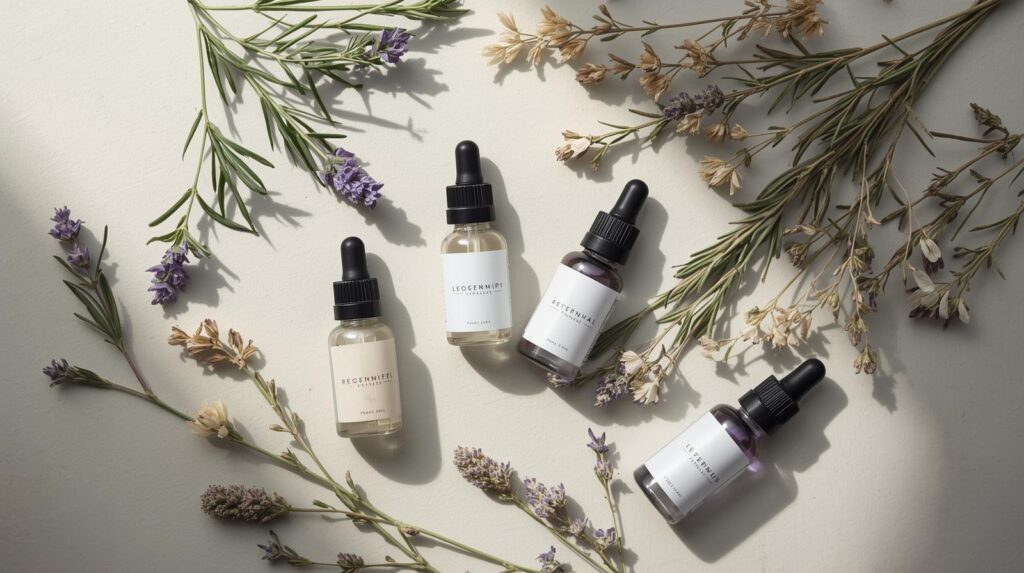
Essential oils have been used for centuries across cultures for their therapeutic, aromatic, and medicinal properties. Extracted from leaves, flowers, and herbs, these concentrated plant oils are now widely used in wellness routines, personal care, and aromatherapy practices worldwide.
With growing interest in natural health solutions, essential oils such as rosemary, thyme, and basil are gaining recognition for both their traditional uses and modern scientific backing.
What Are Essential Oils?
Essential oils are highly concentrated plant extracts obtained through methods such as steam distillation or cold pressing. They capture the natural aroma and beneficial compounds of plants, making them powerful in small quantities.
Each oil contains unique chemical components that determine its fragrance and therapeutic properties, contributing to both physical and emotional well-being.
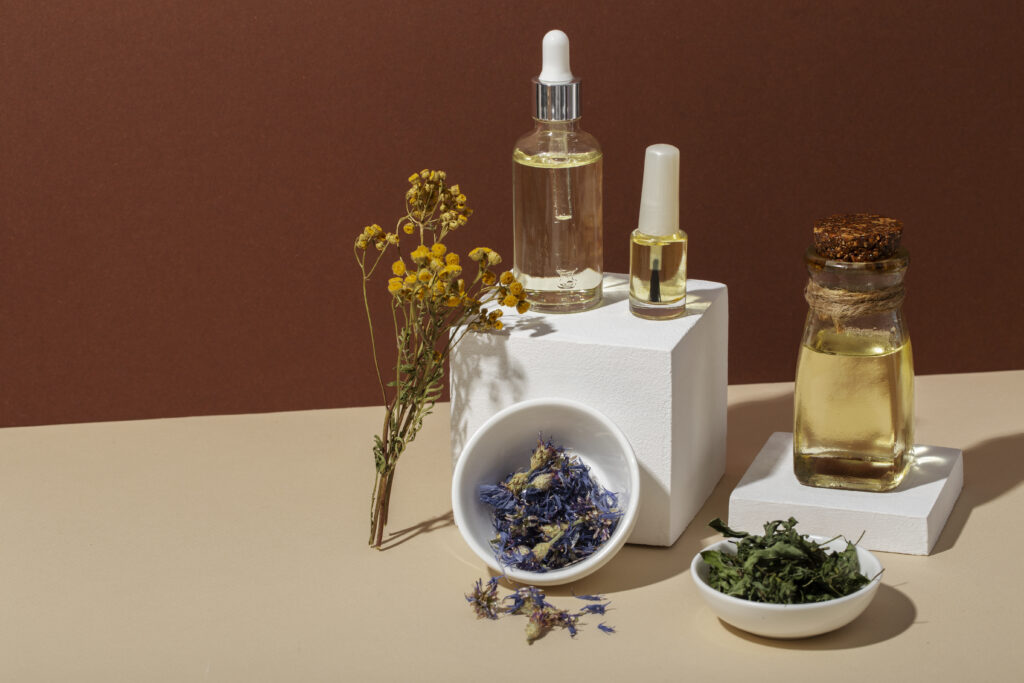
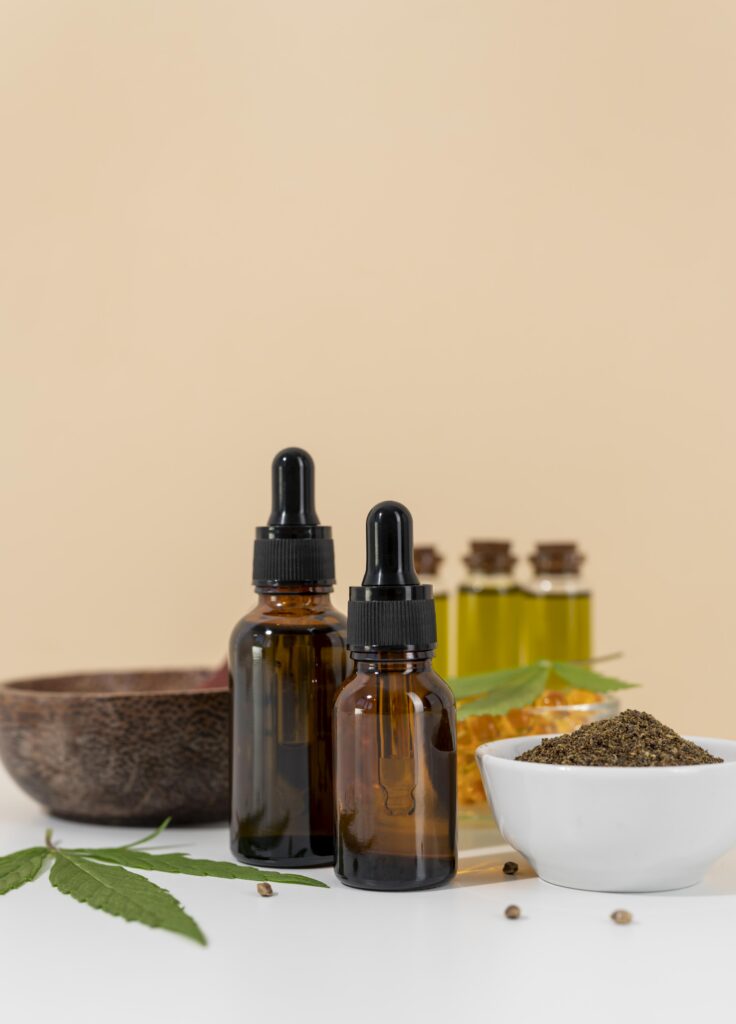
Key Essential Oils and Their Benefits
Rosemary Essential Oil
Known for its fresh, herbal aroma, rosemary oil is often associated with improved focus, mental clarity, and scalp health. It is commonly used in aromatherapy and personal care formulations.
Thyme Essential Oil
Thyme oil contains natural compounds known for their antimicrobial and antioxidant properties. It is widely used in wellness blends and natural cleaning applications.
Basil Essential Oil
Basil oil offers a sweet, uplifting aroma and is valued for its calming and balancing effects. It is frequently used in stress-relief blends and massage oils.
Aromatherapy and Wellness Applications
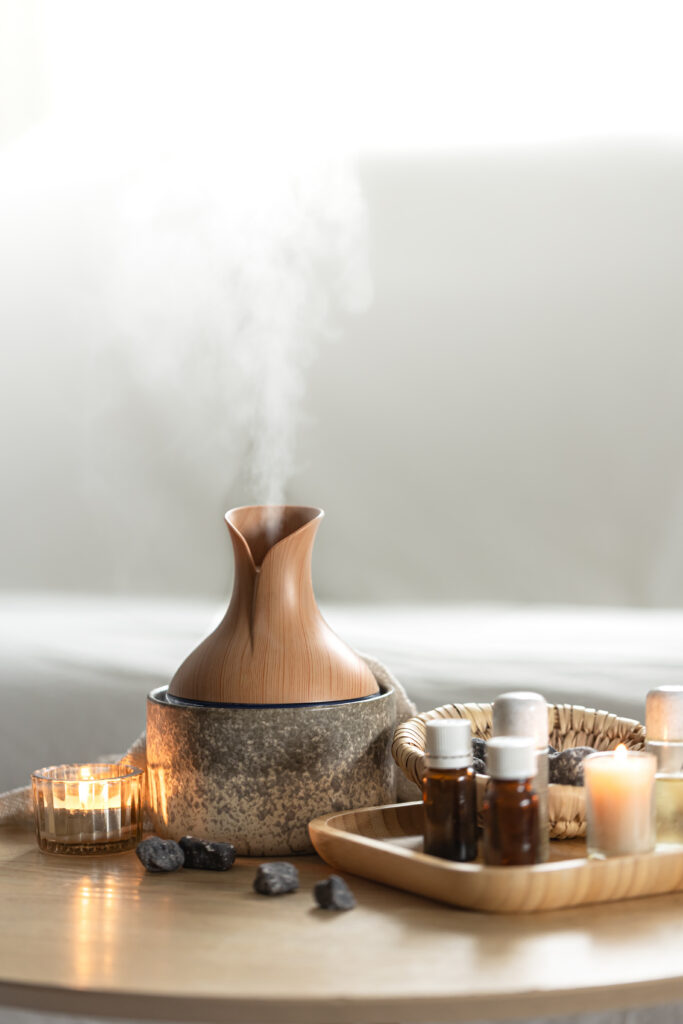
Aromatherapy uses essential oils to promote relaxation, mental clarity, and emotional balance. Common applications include:
Diffusers for home and workspace environments
Massage oils and spa treatments
Personal care products such as balms and lotions
These applications support holistic wellness practices and enhance everyday well-being.

Scientific Research and Modern Uses
Modern research continues to explore the properties of essential oils, particularly their antioxidant, antimicrobial, and stress-relief benefits. Today, essential oils are used not only in aromatherapy but also in food flavoring, cosmetics, pharmaceuticals, and wellness products.
This scientific validation has helped bridge traditional knowledge with contemporary applications.
Quality, Sourcing, and Sustainability
The effectiveness of essential oils depends heavily on quality. Responsible sourcing, proper harvesting, and careful extraction ensure purity and consistency.
Sustainable farming practices and ethical supply chains help protect natural resources while supporting long-term availability of high-quality essential oils.

Essential oils are more than aromatic extracts, they are versatile natural products with wide-ranging wellness applications. As awareness of natural health solutions continues to grow, essential oils like rosemary, thyme, and basil remain at the forefront of holistic and modern wellness practices.