
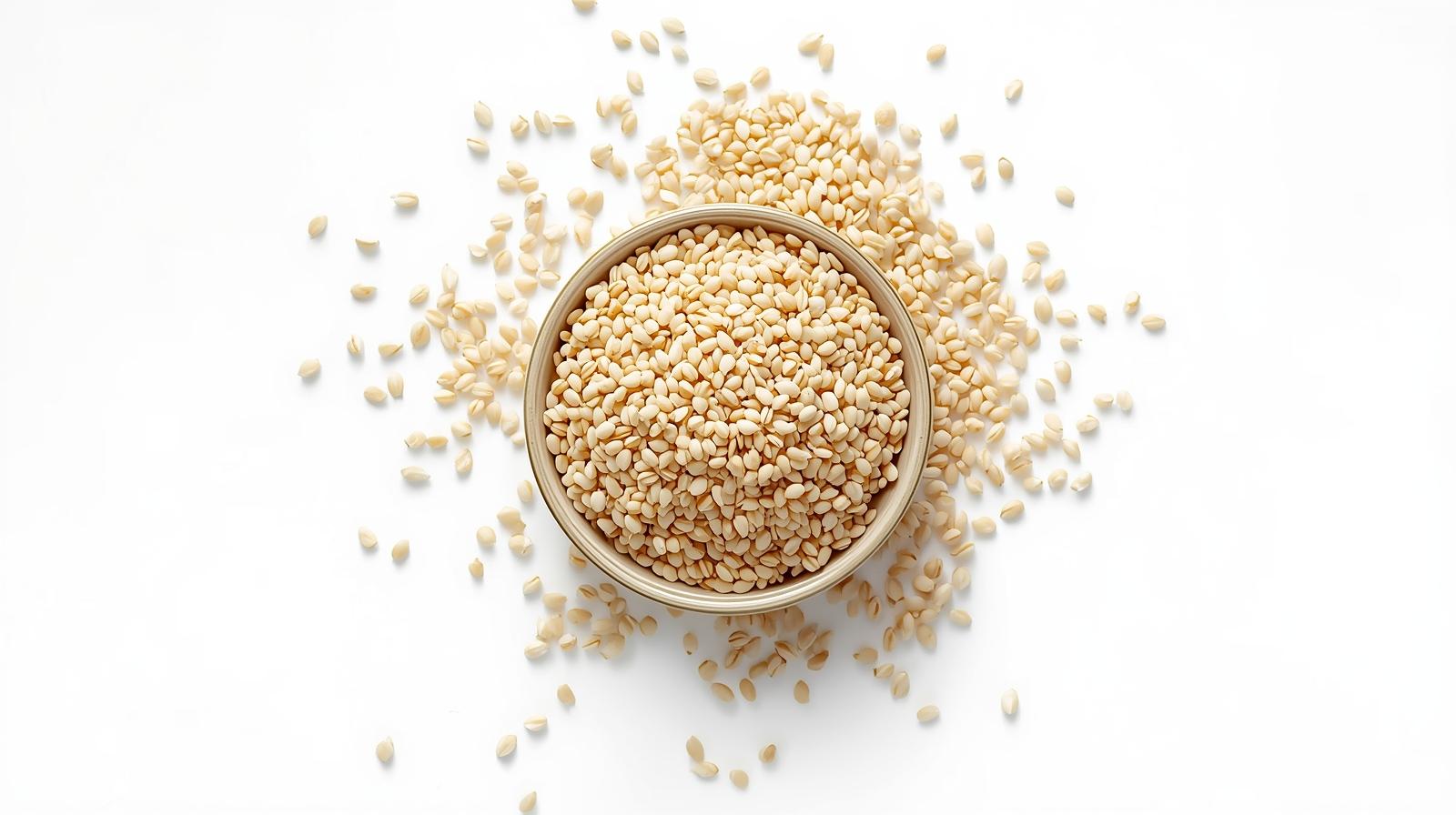
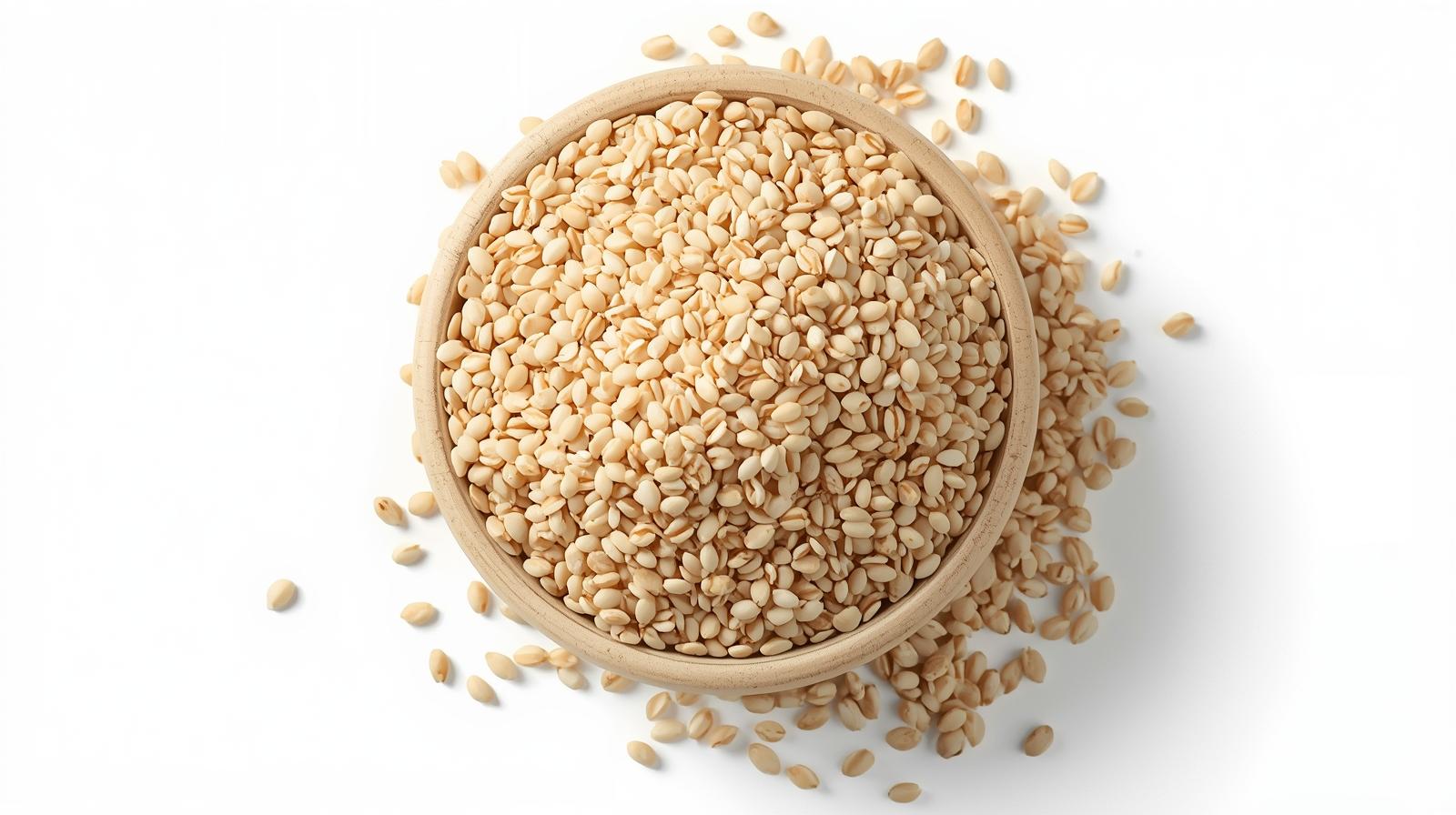
Quinoa has emerged as a high-value grain in India’s agricultural exports, supported by steady global demand for nutritious and plant-based food ingredients. Indian exporters primarily supply white quinoa, which remains the most widely traded and commercially accepted variety in international markets. This variety offers uniform grain size, natural color, and stable nutritional composition, making it suitable for health food brands, bulk importers, and food processing industries.
Farmers cultivate quinoa under controlled agricultural practices to maintain crop hygiene and consistency. They harvest the grain at optimal maturity to preserve structure and nutrient quality. After harvesting, processors actively clean, dehull, and mechanically sort the grains to remove foreign matter and ensure uniform sizing. As a result, exporters deliver export-grade quinoa that complies with international food safety and hygiene requirements.
Moreover, quinoa supports a wide range of culinary and commercial applications. Consumers use it as an alternative to rice and traditional grains in daily cooking. At the same time, food manufacturers incorporate it into breakfast cereals, salads, protein bars, ready-to-eat meals, and gluten-free formulations. Because quinoa contains balanced amino acids, dietary fiber, and plant protein, it remains in steady demand across vegan, fitness, and wellness product segments. Consequently, buyers across retail, HoReCa, and industrial channels continue to source it consistently.
From a logistics standpoint, quinoa suits international trade efficiently. Its dry grain form allows long shelf life under proper storage conditions. In addition, exporters use moisture-controlled packaging to maintain quality during transit. Depending on buyer requirements, suppliers pack quinoa in bulk sacks or retail-ready formats. Efficient container loading and stable storage further support smooth global distribution.
Overall, Indian-origin quinoa offers consistent quality, scalable sourcing, and competitive pricing. With organized supply chains and reliable export volumes, it serves as a dependable raw material for importers, food brands, and processors. Its stability, versatility, and nutritional profile make it suitable for both bulk commodity trade and value-added food applications.
HSN Code: 100850