

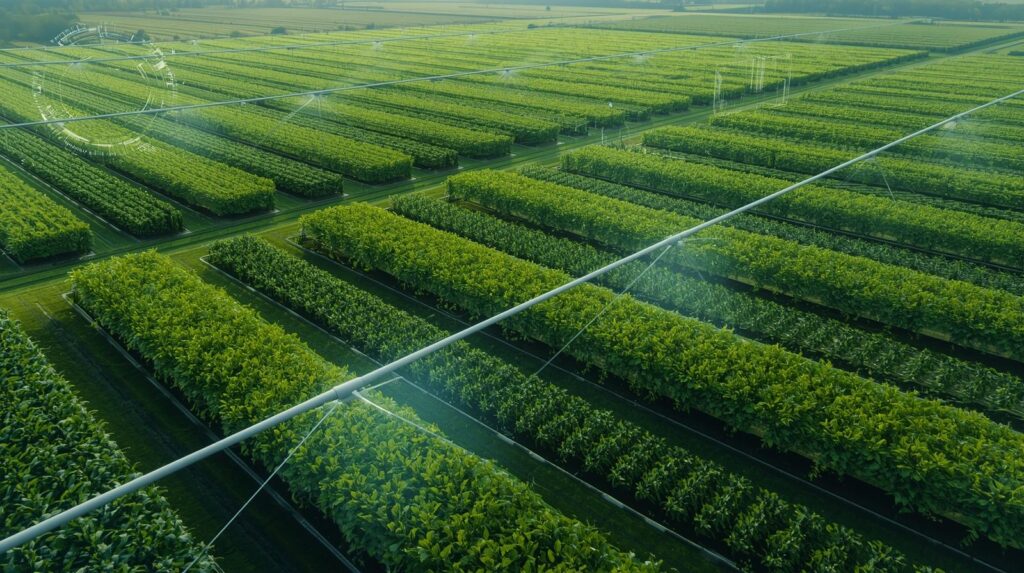
Sustainable agriculture is no longer just a trend, it’s a necessity. As the global population grows and environmental pressures mount, farmers and agribusinesses are turning to innovative solutions that increase productivity while protecting natural resources. From smart water management systems to organic fertilizers and crop rotation strategies, modern farming is evolving to meet the challenges of the 21st century.
Modern Water Management Techniques
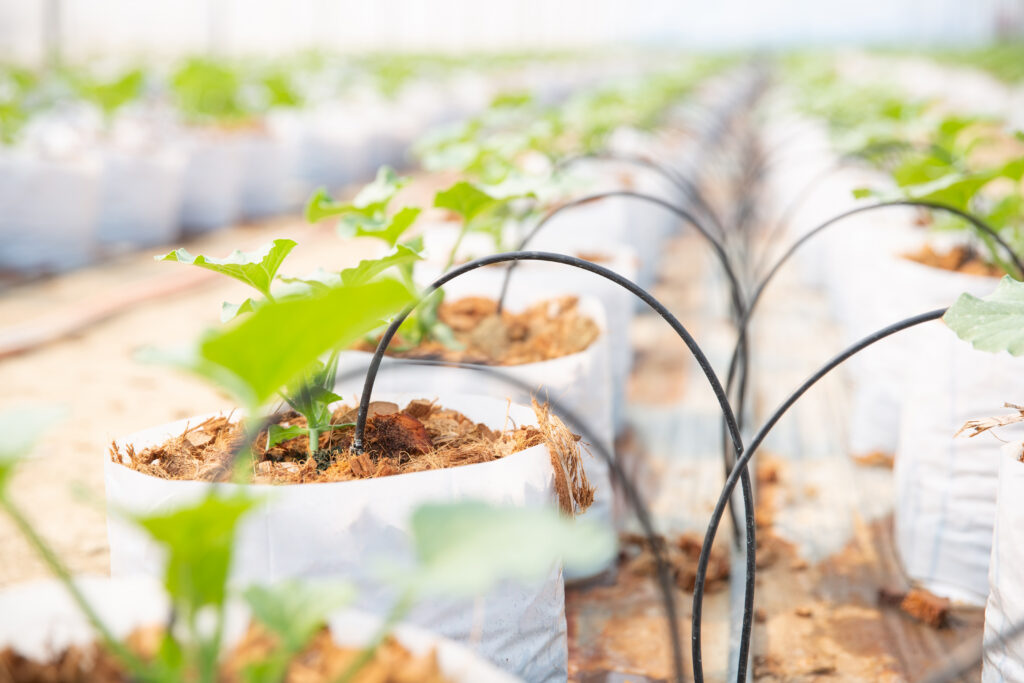
Water scarcity is one of the biggest challenges facing agriculture today. Innovative irrigation solutions such as drip irrigation, rainwater harvesting, and soil moisture monitoring sensors allow farmers to use water more efficiently, reduce waste, and maintain healthy crops.
For example, drip irrigation delivers water directly to plant roots, reducing evaporation and runoff. Similarly, IoT-based soil sensors help track moisture levels in real-time, allowing precise irrigation scheduling that saves water and energy.
Organic Fertilizers and Soil Health
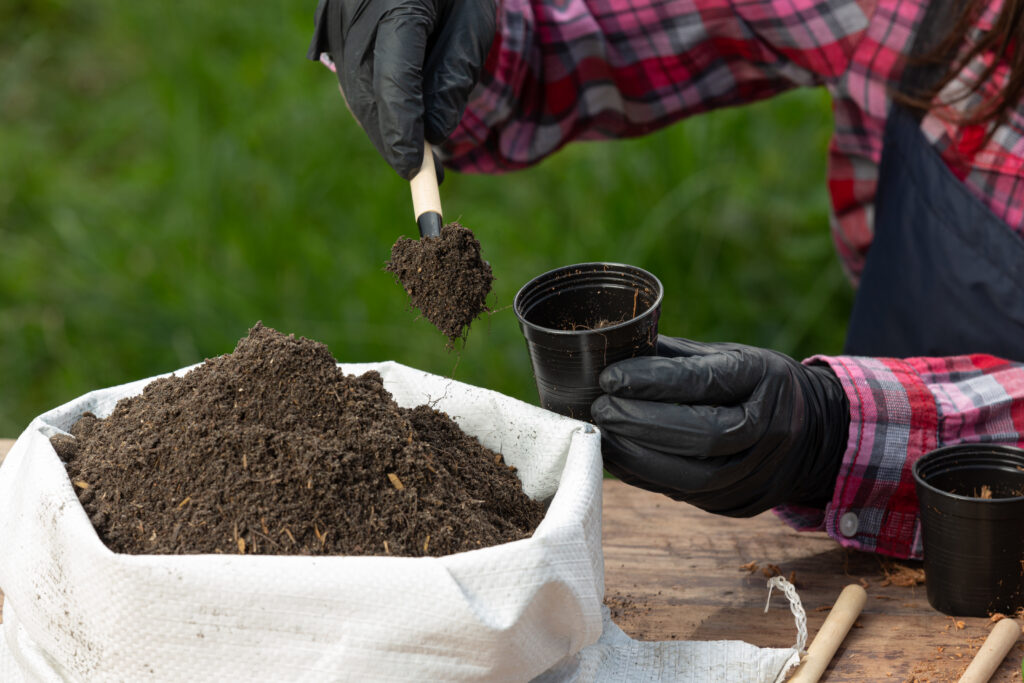
Chemical fertilizers have long been the go-to solution for increasing crop yields, but they often damage soil health over time. Organic fertilizers like compost, bio-fertilizers, and green manure are transforming how farmers enrich the soil naturally.
These innovations improve soil structure, boost microbial activity, and maintain nutrient balance. Healthier soil leads to more resilient crops and a sustainable agricultural ecosystem.
Crop Rotation and Diversification
Growing the same crop repeatedly can deplete essential nutrients and make crops more vulnerable to pests. Crop rotation and diversification help maintain soil fertility, reduce pest infestations, and increase overall yields.
For example, rotating legumes with cereals enriches nitrogen in the soil naturally, reducing the need for synthetic fertilizers. Diversification also opens opportunities for farmers to explore multiple markets, improving profitability.

Technology in Precision Agriculture
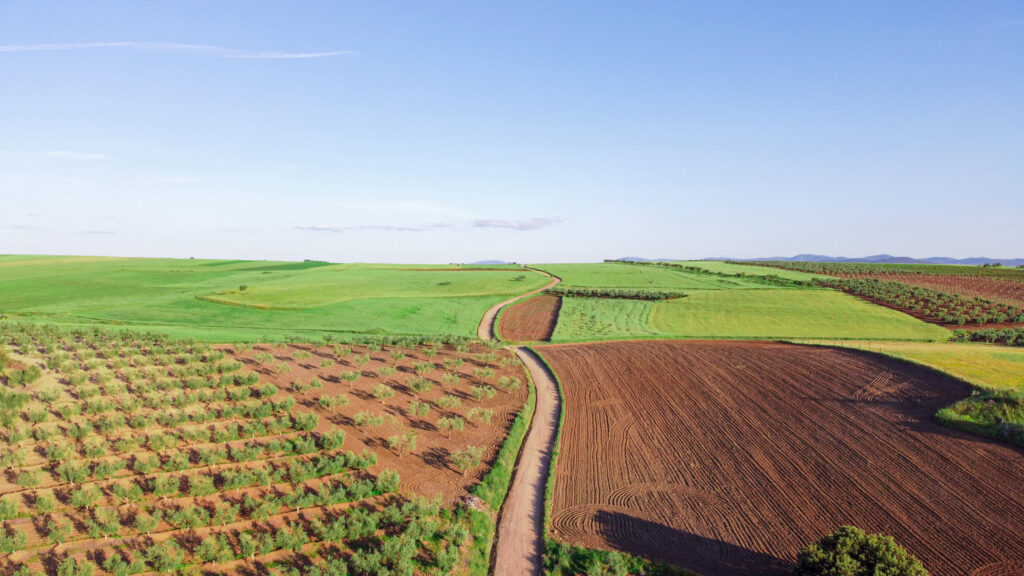
Advancements in precision agriculture are reshaping how farms operate. Drones, GPS mapping, AI-based crop analytics, and automated machinery allow farmers to monitor fields more accurately and make data-driven decisions.
From identifying areas that need extra irrigation to predicting harvest times, technology enables smarter, more sustainable farming practices that improve efficiency and reduce environmental impact.
Business and Environmental Impact
Sustainable agriculture is not just about protecting the environment—it also benefits businesses. Efficient water use, organic fertilization, and technology adoption reduce operational costs while increasing yield quality. Companies adopting these practices also meet regulatory compliance, appeal to eco-conscious buyers, and strengthen their brand reputation in the global market.

Innovations in sustainable agriculture are transforming the way we grow food and manage natural resources. Farmers and agribusinesses that adopt these practices are better equipped to face environmental challenges, improve productivity, and build a stronger, more responsible business model.