

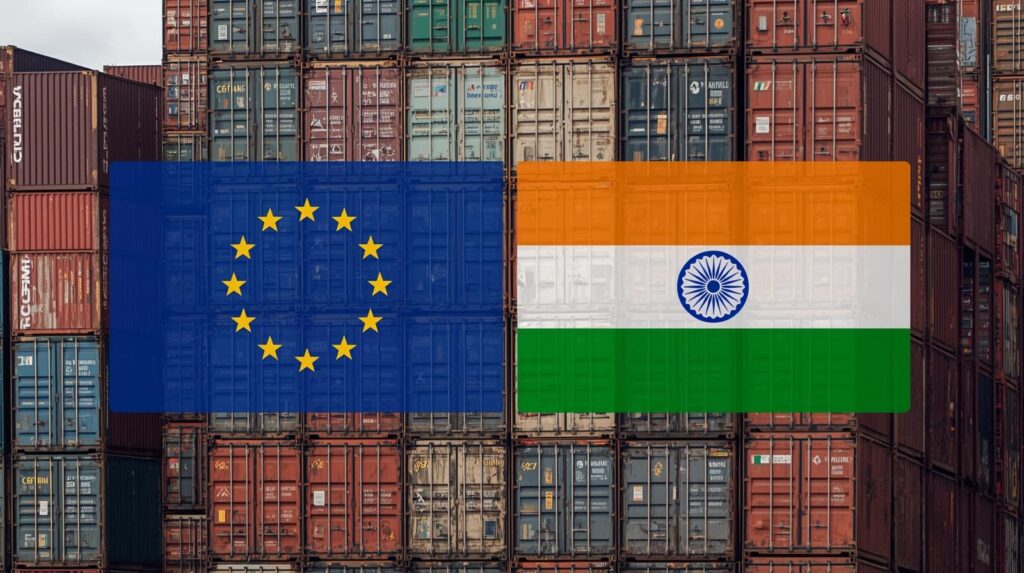
India and the European Union have entered a landmark Free Trade Agreement (FTA), significantly reducing tariffs and unlocking new opportunities for exporters, manufacturers, and investors across both regions.
What the India-EU FTA Means
The India–EU Free Trade Agreement marks one of the most important trade developments in recent years. After long negotiations, both sides have agreed to reduce or eliminate tariffs on a vast majority of traded goods.
This agreement strengthens economic ties between two major global markets and sets the foundation for increased bilateral trade, smoother customs processes, and long-term strategic cooperation.
Major Tariff Reductions
Under the agreement, a large percentage of goods traded between India and the EU will see reduced import duties over phased timelines.
For Indian exporters, this opens greater access to European markets. For European manufacturers, India becomes a more competitive and attractive destination for trade and expansion. Tariff liberalisation improves cost efficiency and enhances product competitiveness in international markets.
Key Sectors Benefiting
Several industries stand to gain significantly from this agreement, including:
Textiles and apparel
Chemicals and specialty products
Machinery and industrial equipment
Gems and jewellery
Pharmaceuticals and allied sectors
Reduced tariffs and streamlined trade procedures will allow businesses in these sectors to scale exports and strengthen their global footprint.

Investment & Supply Chain Opportunities
Beyond tariff removal, the FTA promotes stronger supply chain integration and cross-border investment.
European companies gain improved market access to India’s expanding consumer and industrial markets, while Indian exporters benefit from a stable and predictable regulatory framework within the EU.
This enhanced cooperation supports long-term partnerships, technology exchange, and trade diversification.
Strategic & Economic Impact
The India–EU FTA is more than a trade agreement — it is a strategic economic milestone.
It signals a shift toward deeper economic integration, reduced trade barriers, and stronger collaboration between two major economic regions. As implementation progresses, businesses that adapt early are likely to benefit the most from new market access and competitive advantages.
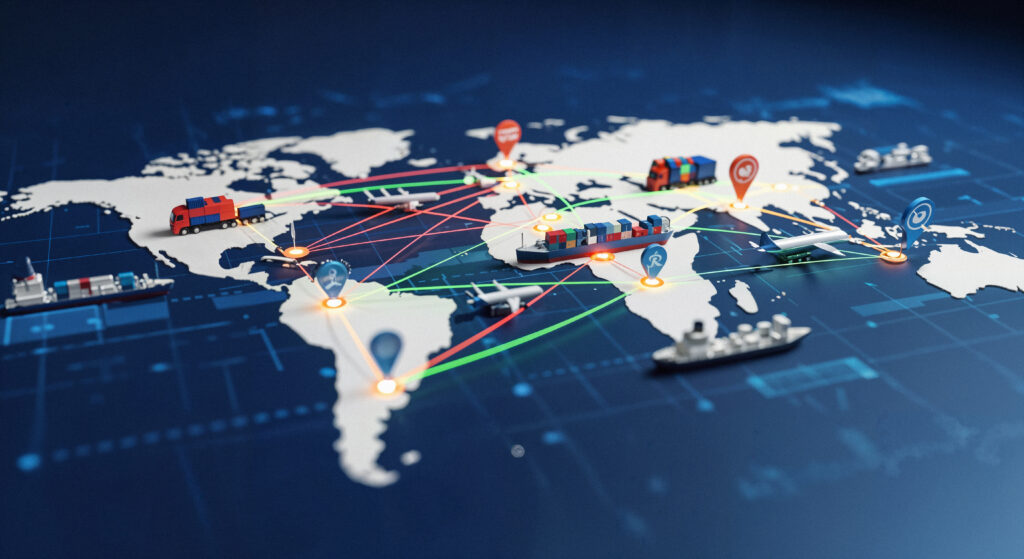
The India-EU Free Trade Agreement opens a powerful gateway for growth, innovation, and global expansion , creating a stronger, more connected trade ecosystem for the future.