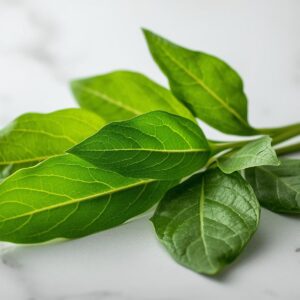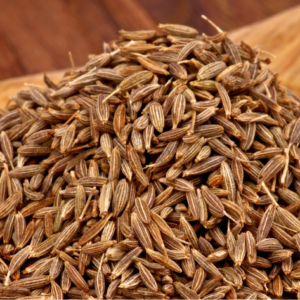

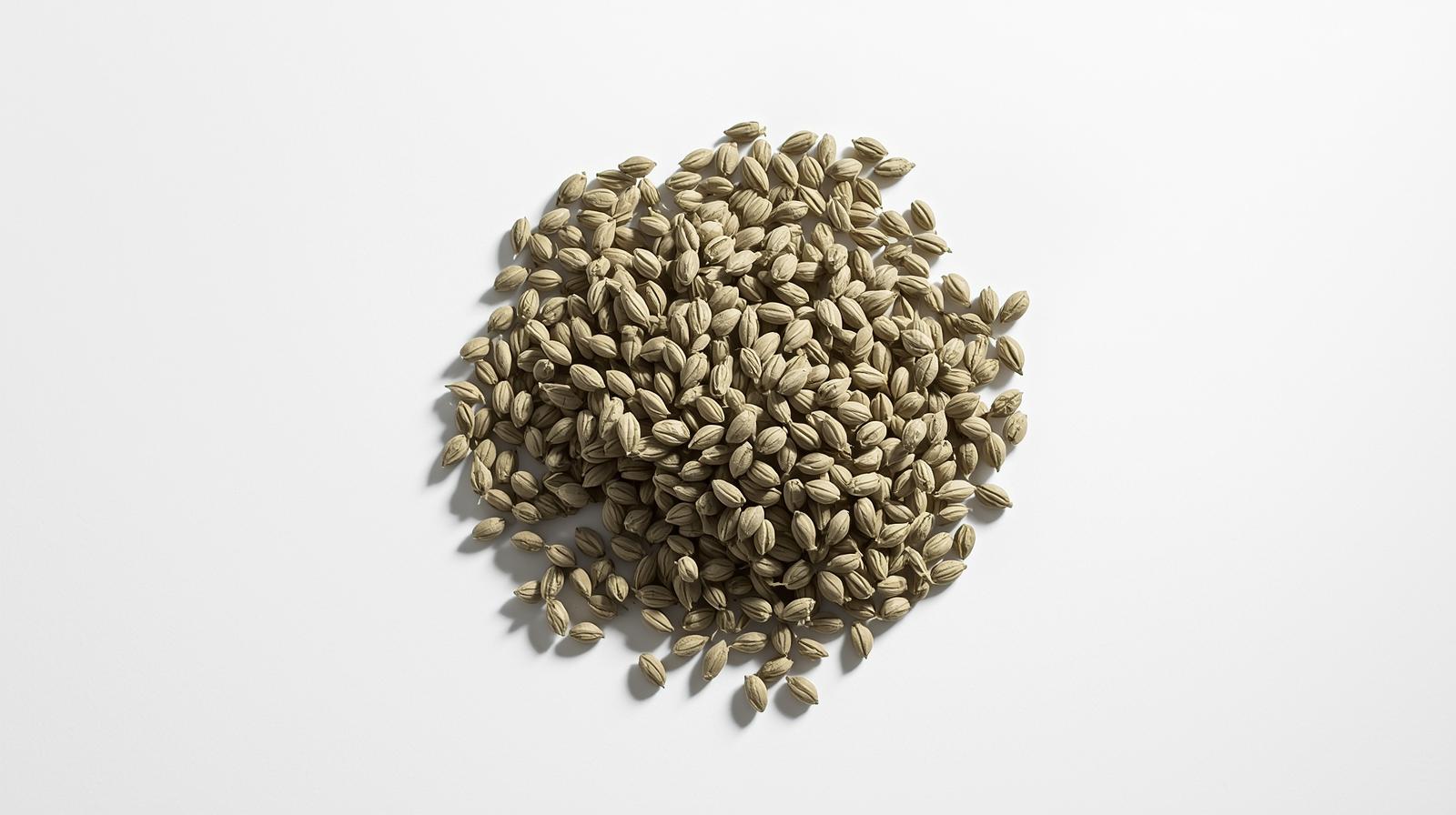

Dill seeds are aromatic whole spices obtained from the mature seeds of Anethum graveolens. They deliver a warm, slightly bitter flavor with subtle citrus and earthy notes. Therefore, they play an important role in many global cuisines, including Indian, Middle Eastern, European, and Mediterranean cooking. Moreover, they enhance curries, pickles, breads, soups, and spice blends by adding depth and balance to complex recipes.
Careful cleaning and controlled drying help preserve the natural oils and aroma of the seeds. As a result, they maintain uniform color, fresh fragrance, and consistent quality. Additionally, proper processing supports dependable performance in both culinary and industrial applications. Chefs and food processors, consequently, rely on whole dill seeds for their stable flavor and aromatic strength.
Dill seeds offer versatile usage across food preparation and manufacturing. For example, cooks may lightly roast or grind the seeds to release maximum aroma, while manufacturers may incorporate them into seasoning mixes, pickling blends, and ready-to-use formulations. Furthermore, they pair well with spices such as coriander, mustard, cumin, and fennel, thereby enhancing the overall taste profile. Meanwhile, their strong aroma and flavor stability make them suitable for bulk handling and long-term storage.
When stored under recommended conditions, they retain their flavor, aroma, and quality for extended periods. Therefore, they remain ideal for large-scale supply, long-distance transportation, and export markets. Food processors, as a result, frequently include dill seeds in spice blends, pickles, bakery products, and savory seasonings. Ultimately, dill seeds remain a valuable ingredient for professional kitchens and food processing units due to their distinctive flavor, versatility, and consistent performance.
HSN Code: 091099
Botanical Name: Anethum graveolens