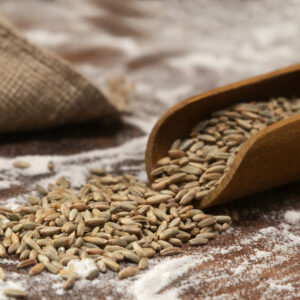

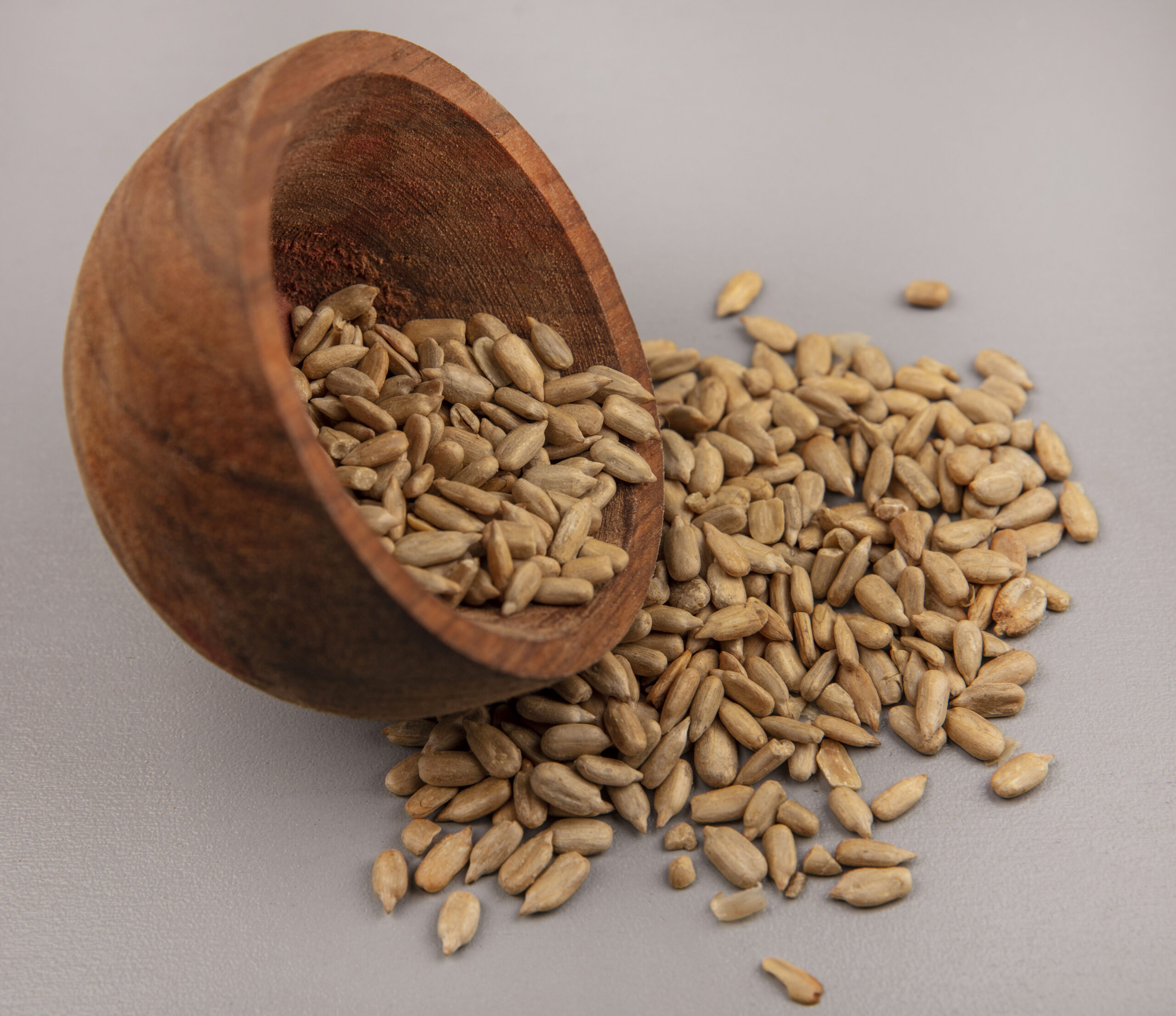
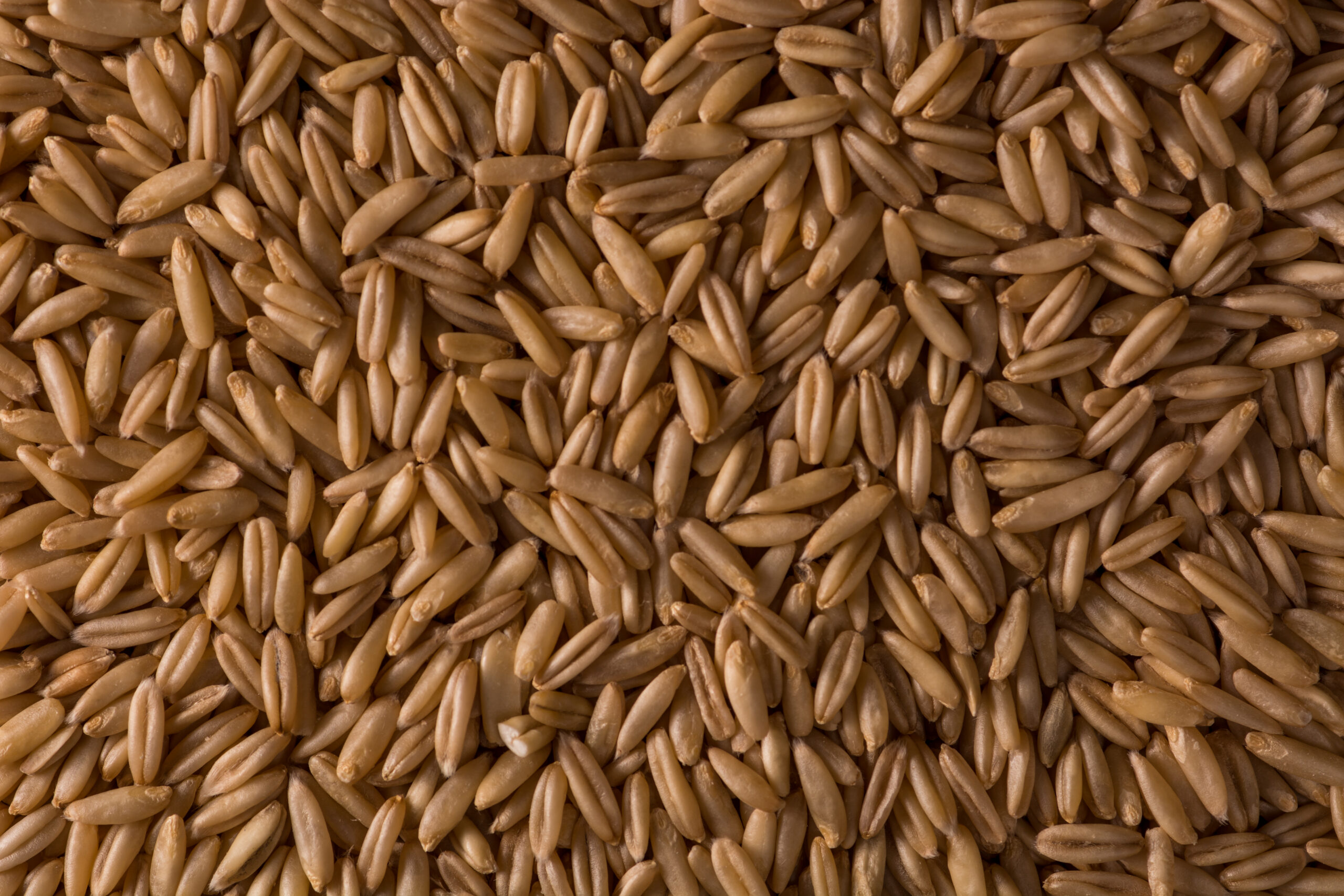
Rye Seeds are raw, unprocessed grains of Secale cereale, valued for their hardiness, nutritional strength, and wide-ranging applications. Therefore, they serve as an essential cereal for food production, agriculture, and animal nutrition. Farmers cultivate rye under controlled conditions to ensure clean seeds, uniform size, and dependable quality. As a result, the seeds retain their natural flavor, firm structure, and excellent functional properties.
Food processors and millers actively use rye seeds to produce flour for bread, crackers, cereals, and traditional baked goods. Moreover, rye is rich in dietary fiber, minerals, and complex carbohydrates, which support digestion and sustained energy. Its distinctive flavor enhances both traditional and modern recipes. Additionally, they blend easily with wheat and other grains, allowing manufacturers to create balanced and nutritious food products.
Furthermore, rye seeds perform consistently during storage, transportation, and bulk handling when managed under suitable conditions. They maintain their nutritional value and physical integrity over time. Consequently, they support large-scale food manufacturing, export operations, and commercial distribution. They are intended for sowing also offer strong germination and adaptability, making them suitable for diverse climatic conditions and sustainable farming practices.
In addition, rye seeds play a significant role in livestock feed due to their energy content and digestibility. They also support soil health when used in crop rotation systems. With their versatility, stability, and economic value,they remain a vital component of global agriculture and food systems. Their continued demand reflects their importance in nutrition-focused diets, farming efficiency, and international trade.
HSN Code (Sowing): 100210
HSN Code (Not Sowing): 100290
Botanical Name: Secale cereale